
Care library › Feeder Rat Colony
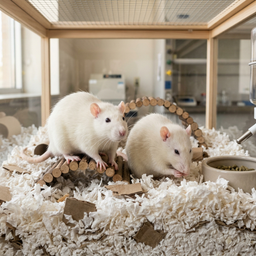
Feeder colony guide
Feeder Rat Colony
Rattus norvegicus
Complete whole-prey nutrition — protein (~58% dry), fat (~28% dry), calcium from bones. No supplementation needed for snakes fed whole prey. Available sizes from pinky (~5g) to jumbo adult (500g+).
- Temp65–79°F
- Humidity40–70%
- info~58% protein
Colony Setup
- Housing: Solid-floor cages (avoid wire mesh — causes bumblefoot). Must be escape-proof.
- Bedding: Recycled paper bedding or aspen shavings. AVOID: Cedar and pine (toxic aromatic oils cause respiratory disease).
- Ventilation: Essential — ammonia buildup from urine is toxic. Never use sealed containers.
Temperature & Humidity
- Temperature: 65–79°F (room temperature generally fine)
- Humidity: 40–70% (standard indoor levels)
- Ammonia from waste is the biggest environmental concern — ventilate well
Diet
- Staple: High-quality rodent blocks/lab chow (Mazuri, Oxbow, Teklad)
- Supplemental: Small amounts of fresh vegetables, fruits, grains
- AVOID: Dog food, cat food, or meat-based diets
- Water: Constant access via sipper bottles (not open dishes — they get soiled instantly). Check daily.
- Healthy rats = healthier snakes. Diet directly impacts nutritional quality.
Breeding
- System: 1 male : 3–5 females per breeding group
- Never cohouse adult males (they fight, sometimes fatally)
- Gestation: 21–23 days, litter of 6–14 pups average
- Weaning: 21–25 days. Separate by sex at weaning.
- Remove pregnant females to private nursing cages before birth
Maintenance
- Spot-clean bedding daily, full change 1–2×/week
- Check water bottles daily for function
- Monitor colony daily for health issues
- Maintain detailed breeding records
- Humanely euthanize using approved methods (CO2 per AVMA guidelines)
Should You Start a Colony?
Breeding feeder rats is a significant commitment of time, space, money, and emotional energy. For keepers with fewer than 5–10 snakes, buying frozen feeders in bulk is almost always more practical and cost-effective. Only start a colony if you have enough snakes to consume the output.
Ethical Note
Even feeder animals deserve clean housing, proper diet, and humane treatment throughout their lives. This is not optional — it's the baseline for responsible keeping.
Important. These guides reflect the husbandry we use at Chaos Creatures and the published research we trust. They are not a substitute for a reptile veterinarian. If an animal is lethargic, refusing food for an extended period, has a wound or is breathing with its mouth open, see a vet.
Last reviewed Nov 6, 2026. Questions about this guide? Ask the rescue.